Dreaming of a home with room to spread out in Canton? Acreage and lifestyle properties can offer privacy, flexibility, and a stronger connection to the land, but they also come with a very different set of rules than a typical neighborhood purchase. If you are thinking about buying acreage in Canton, this guide will help you understand pricing, property types, utilities, zoning, and the due diligence that matters most before you move forward. Let’s dive in.
Why Canton Draws Acreage Buyers
Canton’s setting is a big part of its appeal. The city sits between Atlanta and the Blue Ridge Mountains, with scenic foothills and the Etowah River adding to the area’s natural character. For many buyers, that backdrop makes larger lots and estate-style homes especially attractive.
You may be looking for more privacy, space for outbuildings, room for animals, or simply a property that feels more tucked away. In Canton, those lifestyle goals are possible, but the right property is usually about much more than the number of acres on paper.
Canton Acreage Market Snapshot
The broader Canton market remains active. In the three months ending May 2026, homes in Canton sold in about 47 days on average, received around 2 offers, and closed at a median sale price of $439,737. Cherokee County overall posted a median sale price of $493,520 and about 36 days on market in the same period.
Those numbers are useful benchmarks, but they do not tell the full story for acreage properties. Larger parcels and lifestyle homes often sit well above the broader market, especially when they offer usable land, privacy, quality improvements, and clear utility access.
Current listing examples in Canton show just how wide the price range can be. Recent snapshots included land listings from about $65,000 for 0.75 acres to $825,000 for a 9.35-acre lot, while acreage homes ranged from about $349,900 to $2,250,000.
The takeaway is simple: buyers are often paying for usability, privacy, and improvements, not acres alone. Two properties with similar acreage can have very different value depending on slope, soils, access, water, septic potential, and permit history.
Common Acreage Property Types
Raw Land Parcels
Some buyers start with vacant land and a plan to build later. This can create flexibility, but it also means you need to confirm zoning, utility access, lot-size requirements, and whether the site can support septic if sewer is not available.
Raw land can look promising online and still be difficult to use in practice. A steep slope, poor soils, or limited legal access can change the entire picture.
Existing Homes on Larger Lots
This is often the easiest path if you want both land and immediate livability. These homes may include detached garages, workshops, barns, or other accessory structures, along with larger floor plans and higher-end finishes.
Even with an existing home, you should still verify whether improvements were properly permitted. That matters for financing, future resale, and your ability to make changes later.
Lifestyle and Estate Properties
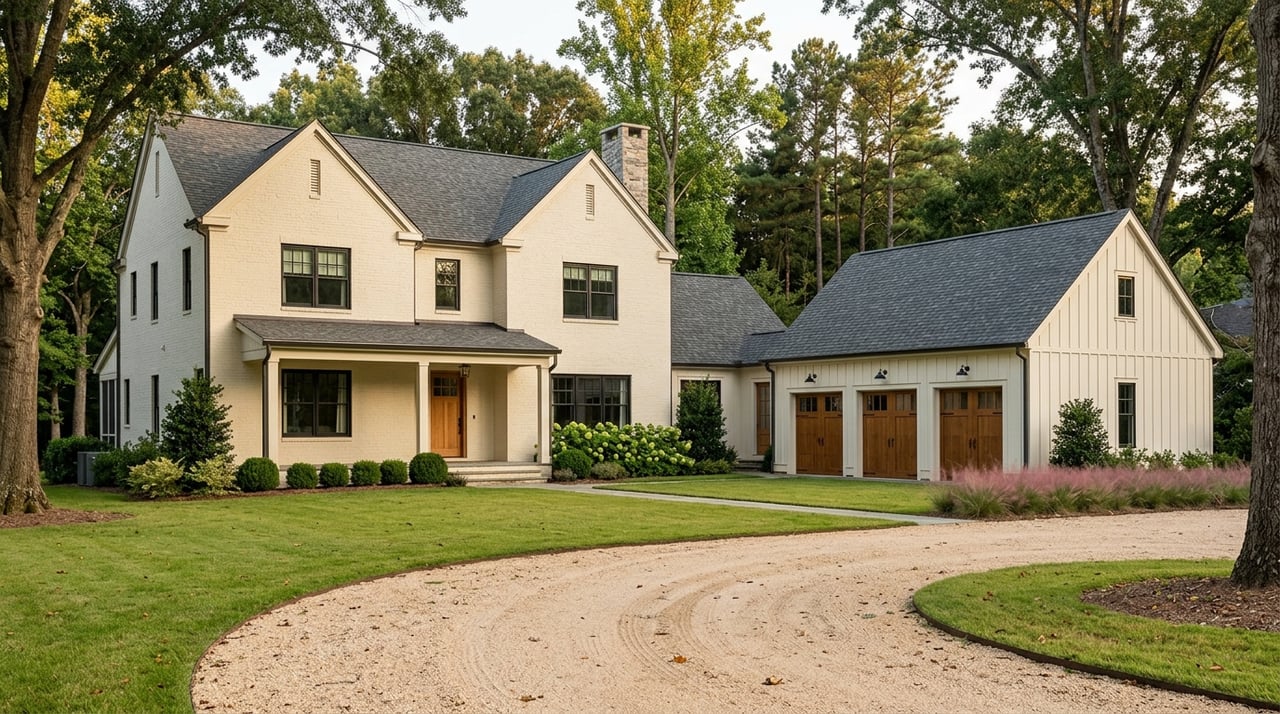
Some Canton properties are designed around a more specific lifestyle. You may see features like long driveways, wooded buffers, detached buildings, or space that supports hobby use and outdoor living.
These homes can be very compelling, but they also deserve deeper review. The more complex the property, the more important it is to confirm boundaries, access, setbacks, utility service, and the status of any added structures.
Why Due Diligence Matters More
A suburban home search usually centers on condition, price, and location. An acreage purchase adds another layer, because what you can do with the land is just as important as the home itself.
Before you fall in love with the setting, make sure the property works on paper. In Canton and Cherokee County, zoning rules, septic standards, and access issues can have a direct impact on how you use the property now and how marketable it may be later.
Check Jurisdiction First
One of the first questions to answer is whether the property is inside Canton city limits or in unincorporated Cherokee County. That single detail can shape which zoning code applies, how accessory uses are handled, and which permit process you will need to follow.
If the property is inside Canton, the city’s code and permit process apply. If it is in unincorporated Cherokee County, county zoning rules will control many rural-use questions instead.
Understand Zoning and Accessory Uses
Canton City Rules
In Canton city limits, freestanding accessory dwellings are allowed only in certain zoning districts, including R-40, R-20, R-15, R-10, R-4, PD with master plan approval, and O-RT. They must be located in the rear yard and require a building permit plus one additional off-street parking space.
That can be important if you are hoping for flexibility for guests, multigenerational living, or future use of the property. It is also a reminder that even when a feature is allowed, the details still matter.
Cherokee County Rural Rules
In unincorporated Cherokee County, some rural uses come with stricter standards. For example, animal quarters for livestock such as cattle, hogs, sheep, and horses must be at least 75 feet from any property line.
For commercial stables and riding academies in R-80, R-60, and R-40 zoning districts, the county requires at least 5 acres and allows no more than one animal per acre. If your vision includes equestrian or livestock use, these rules should be reviewed early.
Verify Water, Sewer, Well, and Septic
Utilities are one of the biggest issues in any acreage purchase. Some properties may have access to city water and sewer, while others may depend on county service, private wells, or septic systems.
Canton operates its own water and sewer department, while CCWSA provides drinking water and sanitary sewer services in parts of Cherokee County. The county’s zoning materials also note that some areas still rely on well water and that centralized sewer serves only a small portion of county land area.
That means you should never assume utility service based on a listing description or nearby development. Confirm exactly what serves the property and whether that service matches your plans.
Septic Can Be the Deciding Factor
For many acreage buyers, septic potential is the biggest gatekeeper. Cherokee County’s 2024 lot-size guidance starts at 1.5 acres with on-site water or 0.918 acres with public water on slopes of 25% or less. As slopes increase, the usable acreage requirement increases too, reaching 3 usable acres with on-site water or 2 usable acres with public water on slopes over 50%.
The county also stresses that usable soils matter. Deep gullies and ravines are not acceptable for absorption fields, and the absorption-field area should stay undisturbed until installation.
This is why a property that looks large enough may still have limited build or expansion potential. Acreage alone is not enough. The land has to function.
Review Slope, Clearing, and Site Work
If you plan to clear land, grade a homesite, or make major site changes, county rules can come into play quickly. Cherokee County requires a land disturbance permit for clearing and grading of one acre or more, tree or vegetation removal, excavation and filling, deposition of debris, and any soil disturbance within 200 feet of state waters.
The county also says septic projects need Environmental Health approval before county approval. If future improvements are part of your plan, these steps should be understood before closing, not after.
Confirm Legal Access Early
Access can be easy to overlook, especially when a property appears to have a long established driveway. But legal access should be verified early, particularly on flag lots, shared drives, or parcels that may have future subdivision potential.
A Cherokee County zoning-board case referenced a 60-foot-wide access easement to a public street for a minor subdivision. That is a good reminder that access is not just about whether you can physically enter the property. It is also about whether the legal setup supports your current and future goals.
Build the Right Due Diligence Team
Acreage purchases often call for a broader team than a standard home purchase. Depending on the property, you may benefit from help from:
- A septic specialist
- A soil classifier, geologist, or engineer for difficult sites
- A surveyor to confirm boundaries, easements, and setbacks
- An attorney or planner if you are evaluating shared access, an accessory dwelling, a family build site, or future subdivision potential
This may sound like a lot, but it is often the best way to protect both your investment and your long-term plans for the property.
Use a Practical Pre-Closing Checklist
Before closing on acreage in Canton, focus on the items most likely to affect financing, usability, and resale:
- Verify jurisdiction and zoning
- Confirm water, sewer, well, and septic capacity
- Order a current survey
- Inspect outbuildings and driveway access
- Ask whether any grading, septic, or accessory-structure work was permitted
These steps can help you avoid expensive surprises and give you a much clearer picture of what you are actually buying.
Think About Resale From Day One
Even if you plan to stay for years, resale still matters. The most marketable acreage properties are usually the ones with usable soils, manageable slopes, documented utility capacity, clear legal access, and permitted improvements.
That does not mean every property needs to be perfect. It does mean that clean documentation and practical usability tend to support stronger future demand than acreage alone.
If you are considering a property with an accessory dwelling in Canton city limits, permit history and zoning compliance are especially important. Added flexibility can be a real advantage, but only if the setup is properly allowed and documented.
Why Local Guidance Helps
Buying acreage is rarely a simple yes-or-no decision. It is more often a process of weighing lifestyle goals against zoning, utilities, land conditions, and future value.
That is where local market knowledge matters. When you have the right guidance, you can move beyond the marketing photos and focus on what truly makes a property usable, enjoyable, and sound from a resale standpoint.
If you are exploring acreage or lifestyle properties in Canton, working with a team that understands both the emotional appeal and the practical details can make the process much smoother. Connect with Bonnie Smith for thoughtful guidance on Canton properties, local market strategy, and the due diligence steps that matter most.
FAQs
What makes buying acreage in Canton different from buying a typical home?
- Acreage purchases usually require deeper review of zoning, septic potential, utility access, legal access, slopes, soils, and permit history in addition to the home itself.
What is the current price range for acreage properties in Canton?
- Recent listing examples showed land from about $65,000 for 0.75 acres to $825,000 for a 9.35-acre lot, while acreage homes ranged from about $349,900 to $2,250,000.
What should you verify about utilities on a Canton acreage property?
- You should confirm whether the property is served by Canton water and sewer, CCWSA service, a private well, septic, or some combination, because service varies by location.
Why is septic so important when buying land in Cherokee County?
- Septic suitability depends on factors like slope, usable acreage, and soils, and Cherokee County’s requirements increase as slopes become steeper.
Can you add an accessory dwelling on a property in Canton city limits?
- In some cases, yes, but only in certain zoning districts and only if the accessory dwelling meets city placement, parking, and permit requirements.
What professionals should you consider for a Canton acreage purchase?
- Depending on the property, you may want a surveyor, septic specialist, soil classifier, engineer, attorney, or planner to help evaluate boundaries, access, utilities, and future use options.