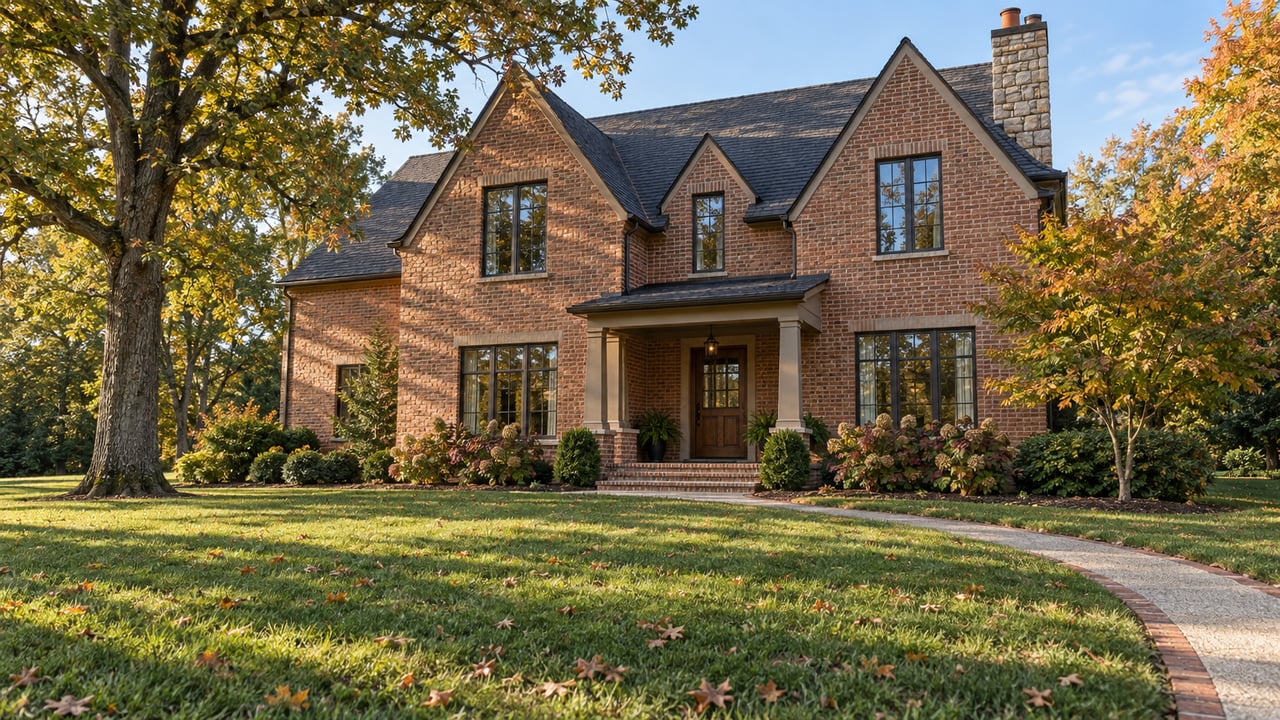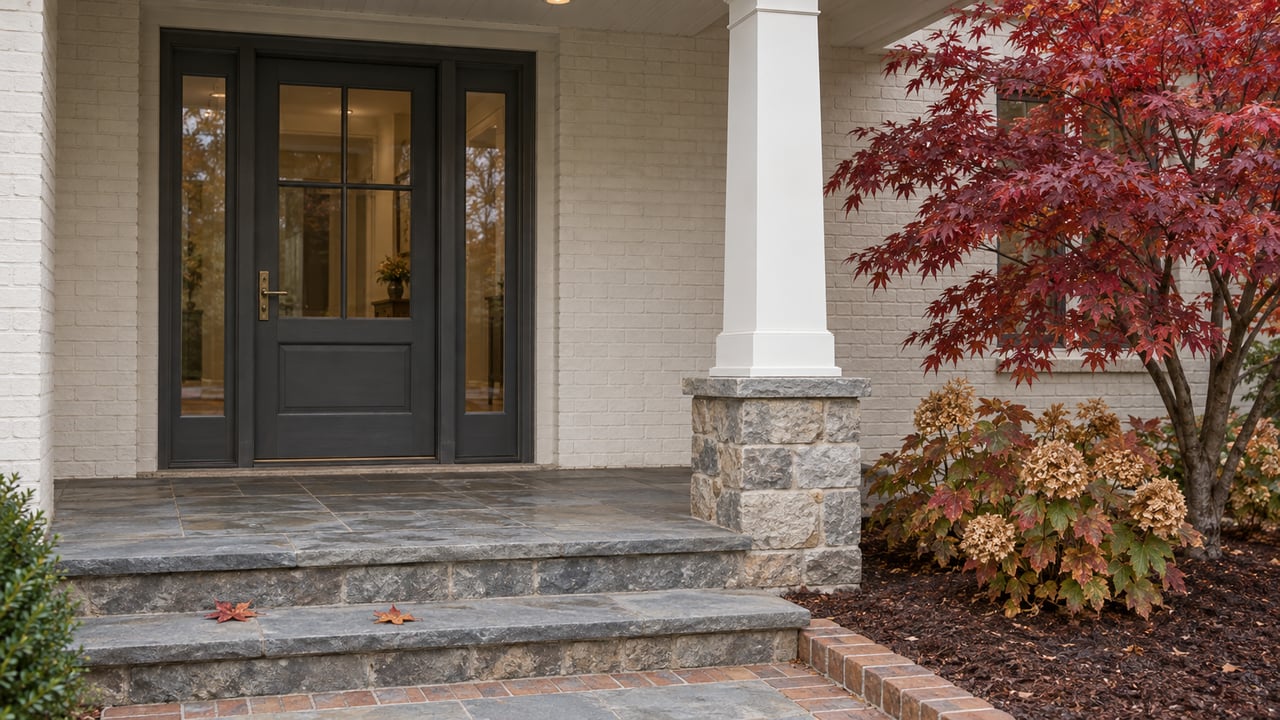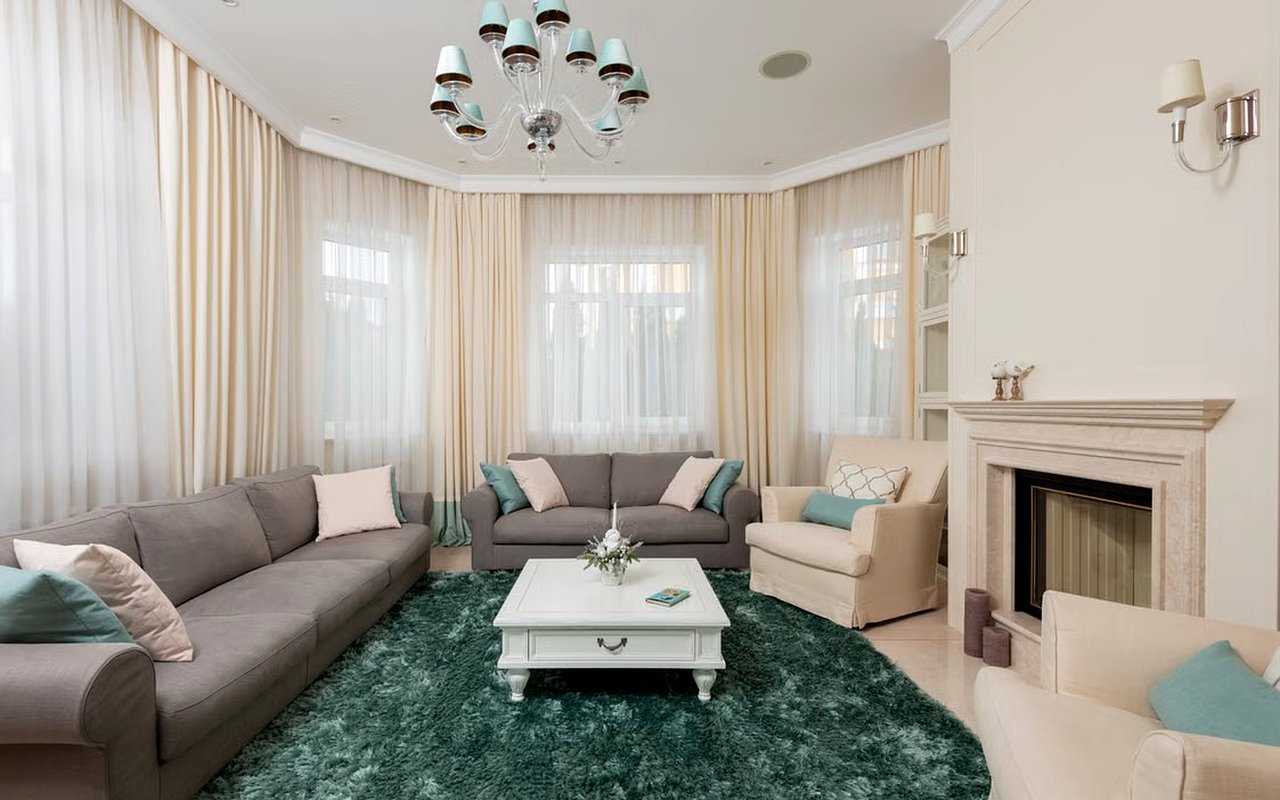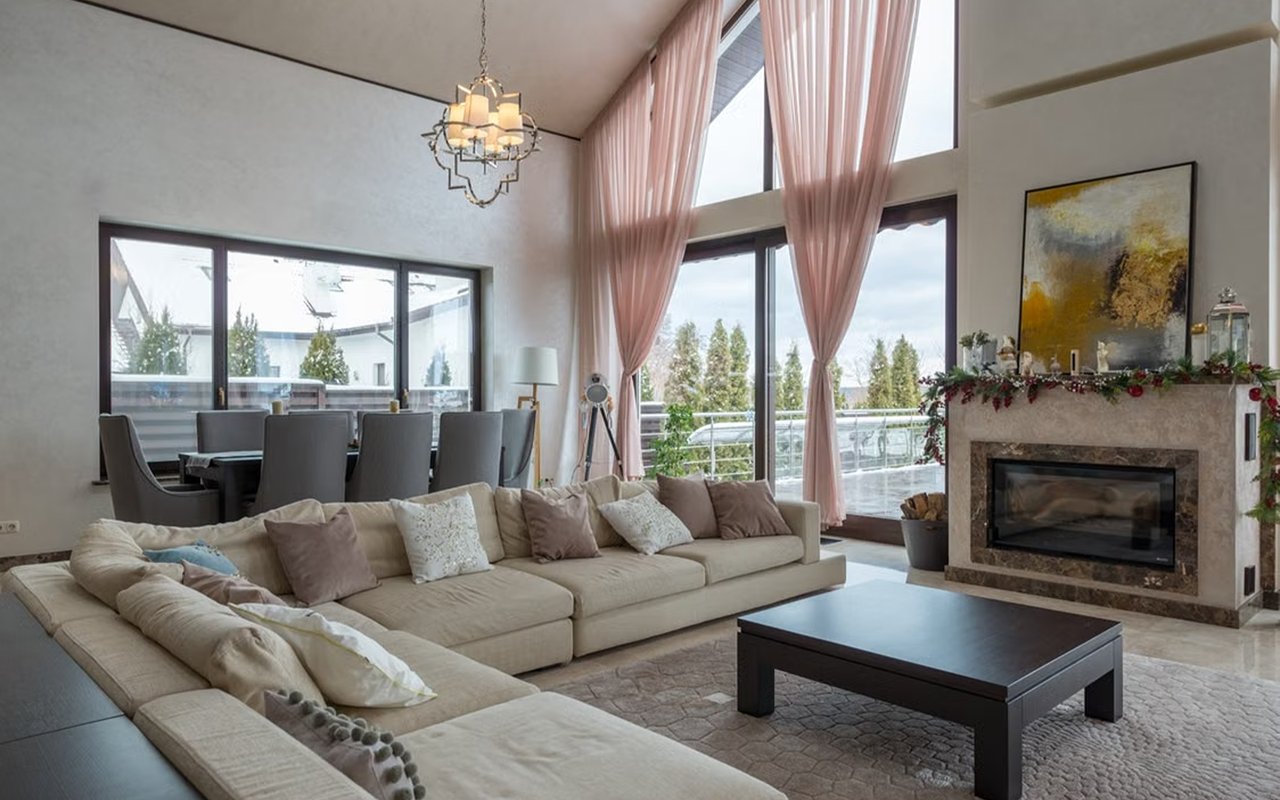
Pull up three different sites for Peachtree Corners home values and you'll get three different answers, sometimes a hundred thousand dollars apart. One shows a citywide average in the low $500,000s. Another shows a three-month sale median near $580,000. A third, tracking only new construction, puts the median above $630,000. None of these numbers is wrong. They're measuring different cities that happen to share the same zip codes.
That gap is the actual story right now, more than any single price point. Peachtree Corners isn't one housing market ticking up or down together. It's two markets, built forty years apart, stacked on the same map, and the distance between them is what's driving the confusion buyers run into the moment they start comparing listings.
What Each Number Is Actually Measuring
Before you can trust a price, you need to know what it's counting. Here's how the recent figures line up:
| Source | Figure | What it covers |
|---|---|---|
| Zillow home value index | roughly $524,000 (mid-2026) | Citywide average across all home types, weighted toward the existing stock |
| Redfin sale data | $580,000 median (3 months ending May 2026) | Actual closed sales, all ages of homes, last 90 days |
| Orchard sale data | $583,333 median (most recent 30-day window this summer) | Closed sales in a shorter, more recent slice |
| New-construction tracker (Jome) | $632,670 median (as of February 2026) | Only the 37 newly built homes sold that period, across 5 active developers |
The pattern is consistent across every source: the more a dataset leans toward new construction, the higher the number climbs. That's not an accident of methodology. It's the market telling you something true about itself.
The City Is Really Two Housing Stocks
Peachtree Corners built out its first wave of subdivisions in the 1970s and 80s, when Technology Park was drawing engineers to the area and developers were platting neighborhoods to house them. Communities like North Manor, Peachtree Station, and Revington date to that first wave. Peachtree Station alone has 717 homes built in that era, most on wooded lots with swim and tennis clubs anchoring the social calendar. Neely Farm and River Station, both along the Chattahoochee, followed close behind, and Neely Farm still uses a converted dairy barn as its clubhouse, a physical reminder of what the land was before it was a subdivision.
That stock is well built and well maintained, but it's forty to fifty years old. Roofs, HVAC systems, and original mechanicals are somewhere in their second or third life cycle, and buyers price that reality in even when a home has been renovated.
The second market is clustered around Peachtree Corners Town Center and The Forum, where builders have been filling in the last available parcels with new product. The Providence Group's Townes 333 townhomes sit off Technology Parkway within a mile of the Town Center. McKinley Homes' Town Center Overlook is building three-level condo plans in the 1,900 square foot range steps from the shops and restaurants. D.R. Horton's Overlook at Peachtree Corners adds another wave of new townhomes to the same corridor. These come with structural warranties, current code compliance, and a walk to dinner that the 1980s subdivisions, built before the Town Center existed, simply weren't designed around.
Buyers comparing a listing in Neely Farm to a unit in Town Center Overlook aren't comparing two homes at different price points in the same market. They're comparing two different eras of what "Peachtree Corners" means, and the median price is just the average of those two stories, which is why it keeps landing in a different place depending on which slice you're looking at.
The Median Is Rising, But the Market Underneath It Is Cooling
Here's where the story gets more interesting than a simple price gap. Orchard's most recent 30-day data shows the median sale price up 3.5 percent year over year and price per square foot up nearly 15 percent. On its face, that reads as a market getting hotter. But two other numbers in the same dataset point the other way. The share of homes selling above list price fell more than 22 percentage points compared to the same period last year. The share of listings that had to cut their asking price rose by 23 percentage points over that same stretch.
Put those together and you get a market where the headline price is climbing while the competitive intensity underneath it is dropping fast. Fewer bidding wars, more price reductions, and a rising median all at once isn't a contradiction. It's a composition effect. As new construction makes up a larger share of what's selling, and new construction carries a structurally higher price tag, the median rises even if no individual home's relative value is doing much of anything. A buyer reading only the top-line number would assume they're walking into a seller's market. The transaction-level detail says something closer to the opposite for the resale side of the ledger.
Two 2026 Projects Are About to Widen the Gap Further
Two infrastructure efforts moving through Peachtree Corners this year will likely stretch the distance between these two markets rather than close it.
The widening of Peachtree Industrial Boulevard between Holcomb Bridge Road and Medlock Bridge Road adds a new northbound travel lane and upgrades several intersections, including Technology Parkway, with completion targeted for 2026. New sidewalks, median islands, curb and gutter, and drainage work are part of the scope. That corridor sits closest to the Town Center construction wave, and better traffic flow there tends to reinforce the premium those newer homes already command.
The Crooked Creek Trail, a proposed shared-use path with a main segment plus connecting spurs, held its public planning open house on January 8, 2026, mapping a route from Spalding Drive down toward Peachtree Corners Circle. A trail like this typically lifts walkability and retail demand specifically along its route rather than citywide, which means the appreciation benefit will land unevenly depending on how close a given subdivision sits to the corridor.
Neither project touches the whole city equally. Both favor the same general footprint where new construction and the Town Center already concentrate, which means the price gap this analysis is built around is more likely to widen over the next year than to narrow.
What This Means If You're Comparing Neighborhoods Right Now
If you're cross-shopping Peachtree Corners against other North Atlanta cities, don't anchor to a single median. Ask which slice of the market a quoted number is drawing from, and whether you're personally shopping the legacy stock, the new construction wave, or somewhere in between. A well-maintained home in an established swim and tennis community can be a genuinely strong value relative to the headline number, precisely because that number is being pulled upward by new construction sales that have nothing to do with the home you're touring. Conversely, a new townhome near the Town Center is priced for proximity to Curiosity Lab, The Forum, and a walk to dinner, and comparing it against the citywide average will make it look overpriced when it's really just a different product in a different location within the same city limits.
The right comparison is never the citywide median against a single listing. It's the listing against other homes of the same age, same proximity to the Town Center corridor, and same construction era.
A Few Questions Worth Asking Before You Compare Prices
Does a lower price per square foot always mean a better deal here? Not necessarily. Older homes in Peachtree Corners often show a lower per-square-foot number, but that figure doesn't account for remaining useful life on major systems like roofing and HVAC, which buyers should factor into their true cost of ownership.
Will the Peachtree Industrial Boulevard project help resale value if my home isn't directly on that road? The benefit generally concentrates along the corridor and nearby intersections rather than spreading evenly across the whole city, so proximity matters more than being a general resident of Peachtree Corners.
How should I weigh a legacy swim and tennis neighborhood against new construction near the Town Center? Compare them on their own terms rather than against the citywide median. Established communities like Neely Farm or Peachtree Station offer larger lots and decades-old amenity infrastructure, while new construction offers current systems and walkability, and neither should be priced against the other using a blended average that includes both.
If you're weighing a purchase in Peachtree Corners or trying to make sense of how it stacks up against Alpharetta, Roswell, or Johns Creek, the Bonnie Smith Group can walk through the actual comps behind whichever number you've seen quoted. Work With Us to get a read on the market that starts with your specific corridor, not a citywide average.