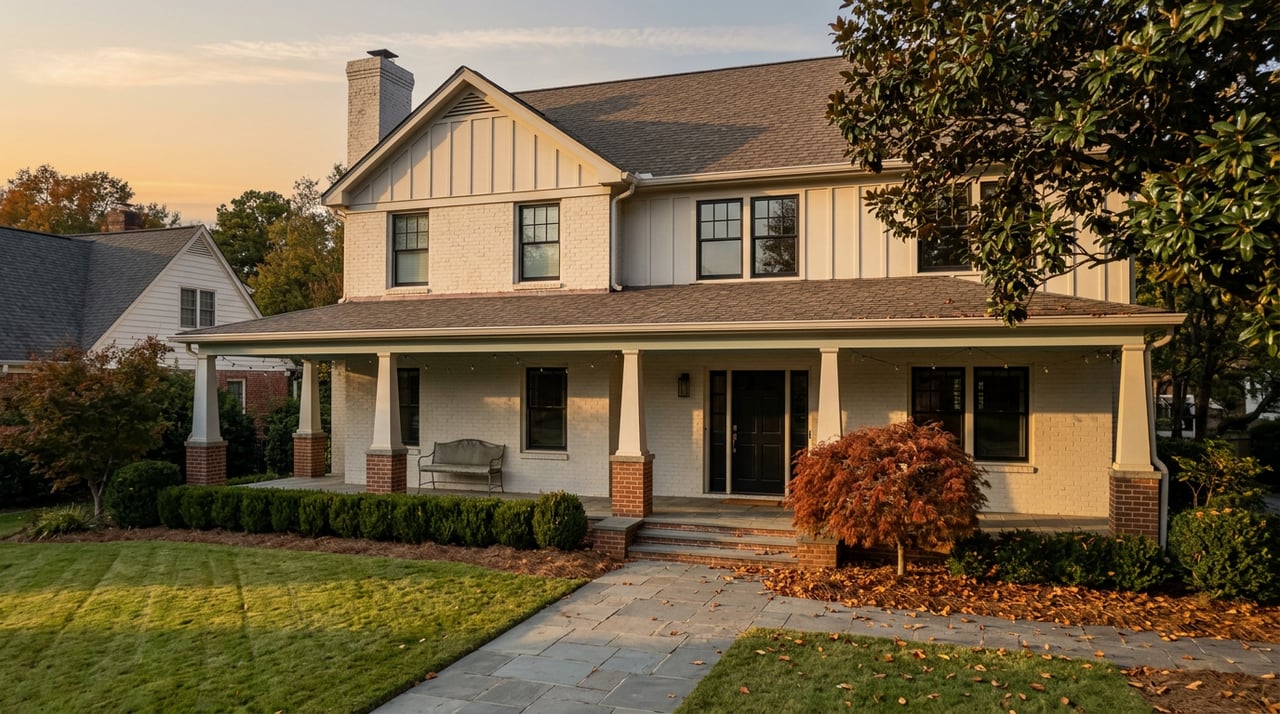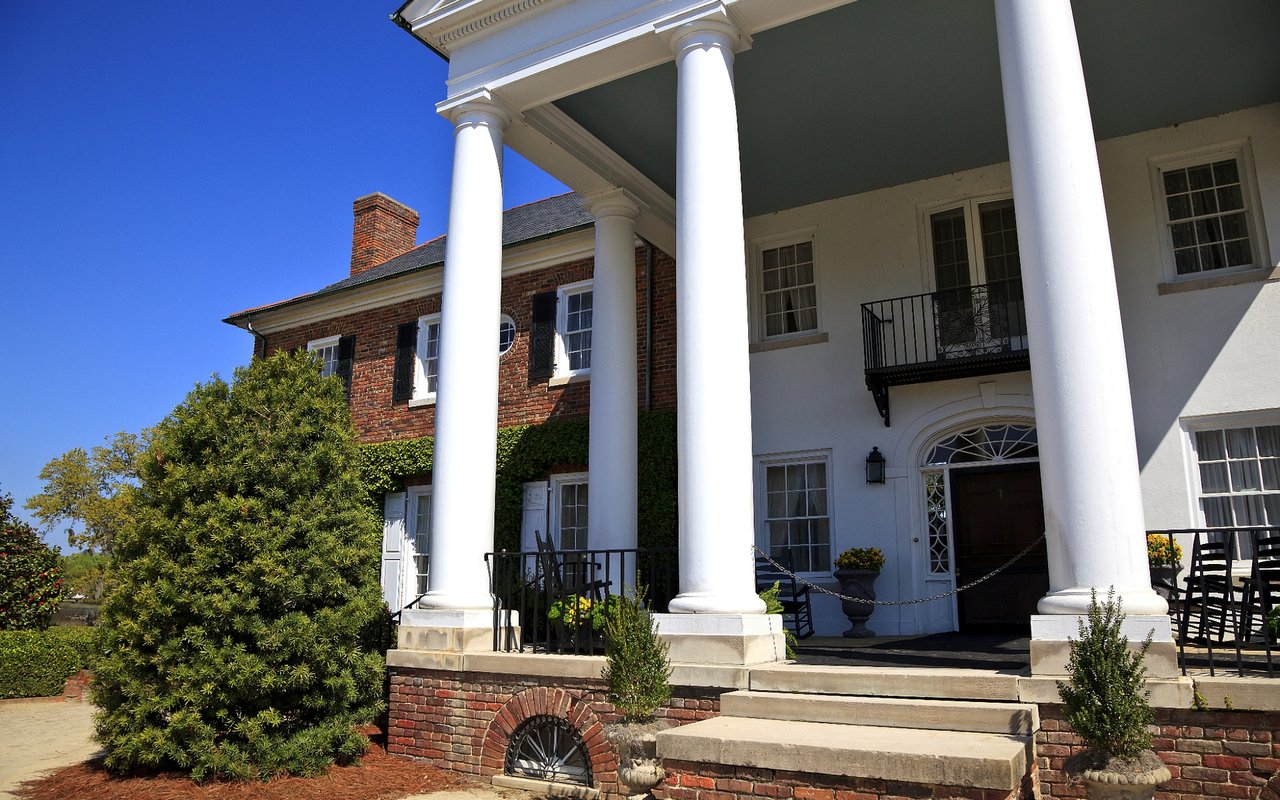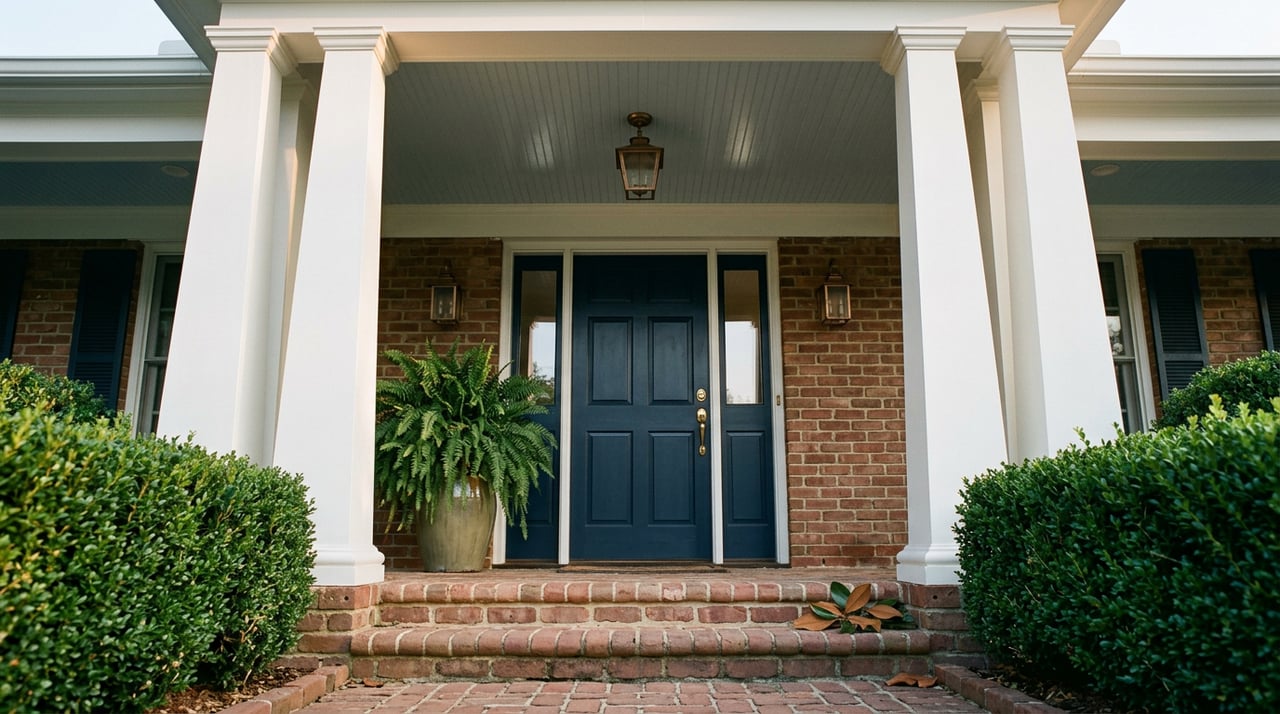
Picture a buyer standing in front of a cottage near Vickery Creek, mentally repainting the shutters before they've even made an offer. They've heard the historic district has rules, so they assume every visible change needs a stamp of approval, right down to the color on the trim. That assumption is wrong, and it's wrong in a way that shapes how people budget, negotiate, and plan the first year in a home inside Roswell's 640-acre Historic District.
The Roswell Historic Preservation Commission does not have authority to regulate exterior paint color. A 2014 opinion from the Georgia Attorney General's office confirmed this directly, tracing it back to how the state's Historic Preservation Act defines a "material change in appearance." Georgia law lists what counts, including alterations to walls, fences, steps, and other exterior features, and it specifically carves out paint. The Commission simply was never given that authority to begin with, and Roswell's ordinance can't grant itself power the state law withholds.
That single fact matters more than it looks like it should, because it flips the way most buyers think about the district. The common mental model is "maximum restriction, applies to everything visible." The real model is closer to "specific restriction, applies to a defined list." Once you know that, the more useful question stops being "will they let me paint it" and becomes "what's actually on that list, and what happens when I want to touch it."
What the Commission Actually Reviews
Roswell's Historic Preservation Commission was established under the Georgia Historic Preservation Act and has operated as a certified local commission since January 15, 1992. Its job is to review proposed material changes within the district, which under state law includes the erection, alteration, restoration, or removal of buildings and structures, along with walls, fences, steps, and other appurtenant features. Before undertaking that kind of change, an owner has to obtain a Certificate of Appropriateness from the Commission.
Worth noting: this only applies to single-family homes through the Historic Preservation Commission, not Roswell's Design Review Board. The DRB handles design review for development projects citywide, but its own scope explicitly excludes detached, fee-simple, single-family residences. If you're buying a house in the historic district, the HPC is the body you'll deal with, not the DRB, and conflating the two is an easy way to ask the wrong department the wrong question.
The city's process also has a procedural step that's easy to miss until you're mid-renovation-planning: applicants must complete an orientation with Community Development staff before the Certificate of Appropriateness application will even be accepted. That's not a formality to skip. It's the point where staff can flag whether your plan needs a specialist review, and building that meeting into your timeline early avoids a stalled project later.
Two Approval Tracks, Not One
Here's the friction that catches people off guard even after they understand the paint carve-out. A Certificate of Appropriateness from the Historic Preservation Commission is not a substitute for a standard building permit. Georgia's building, mechanical, plumbing, and electrical codes still apply to work inside the district the same way they apply anywhere else in the city. A kitchen renovation, an addition, a re-roof, all of it typically needs both historic approval for the exterior appearance and standard permit review for the construction itself.
That double track changes how you sequence a project. If you're buying with plans to update quickly, the practical move is to account for both approval paths from the start rather than assuming a Certificate of Appropriateness clears the way for a contractor to begin work the next week. Coordinating a contractor around two separate reviews, rather than one, is the kind of detail that shows up in project timelines but rarely in listing photos.
The 2026 Tax Credit Most Owners Don't Know They Qualify For
Here's where the timing actually matters for anyone closing on a historic district home this year. Georgia's State Income Tax Credit Program for Rehabilitated Historic Property used to require that a home be individually listed on the National Register of Historic Places, or located within a National Register Historic District. In 2024, the state legislature changed that. Owner-occupied primary residences that are locally designated, or that simply contribute to a local historic district, became eligible too, which is a meaningfully broader net than the old rule. Roswell's district qualifies as exactly this kind of local designation.
The rollout has a specific sequence worth knowing before you plan a rehab budget. Applications for the expanded program opened October 1, 2025, but rehabilitation work under the new eligibility rules could not begin until January 1, 2026. If you bought in the district before that window opened and started work early, you may not be covered under the new local-district provision. If you're buying now, the timing lines up. A Local Designation Confirmation Form is required as part of the application, and it has to be completed by the local government at the homeowner's request, with a preliminary eligibility review handled by the state's Historic Preservation Division before that happens.
There's a separate program worth knowing about too. Georgia's Preferential Property Tax Assessment Program can freeze a county's tax assessment on a qualifying rehabilitated historic property for more than eight years, available to both owner-occupied and income-producing properties, provided the rehabilitation increases the building's fair market value by 50 to 100 percent depending on its use. The federal government's 20 percent rehabilitation tax credit exists too, but it generally applies only to income-producing property, so it typically doesn't help a buyer planning to live in the home.
None of these programs are automatic. Eligibility depends on the specific home, the specific scope of work, and hitting the application windows in order. But for a buyer weighing whether the extra layer of review in a historic district is worth it, this is the offsetting side of the ledger that a lot of general advice leaves out.
What the Median Price Actually Hides
As of January 2026, the median home price inside Roswell's Historic District sat at $615,000, with an average sale price of $662,791 and homes spending roughly six weeks on the market before selling. Listed prices in that same window ranged from $339,900 to $2,400,000, and separately, townhomes inside the district carried a median listing closer to $635,000 with a slightly longer average time on market.
That gap between the median and the average tells you something the single number doesn't. When the average sits well above the median, it usually means a handful of higher-priced sales are pulling the average up while most transactions cluster lower. Inside a 640-acre district, that's exactly what you'd expect, because the housing stock isn't one product. You've got gated townhome communities like Providence and Founders Mill priced for walkability to Canton Street, older cottages near Roswell Mill that may need the kind of rehabilitation the tax credit programs are built for, and newer custom construction from builders like Tipton Homebuilders going up on infill lots, all inside the same boundary and the same median.
For a buyer, that means the district's headline price doesn't tell you much on its own. What matters is which segment you're actually shopping in, and whether that segment's price reflects a home that's already been brought up to code and finish, or one where the eventual purchase price is the beginning of a renovation budget rather than the end of it.
A Few Questions Worth Asking Before You Write an Offer
Does painting the exterior a different color require Historic Preservation Commission approval? No. Exterior paint alterations are explicitly excluded from what counts as a material change in appearance under Georgia's model ordinance and Roswell's own zoning ordinance, confirmed by a 2014 Georgia Attorney General opinion.
If I get a Certificate of Appropriateness, do I still need a standard building permit? Generally yes. Historic review and standard permit review are separate processes, and most renovation work inside the district needs both.
Can I qualify for the state historic tax credit if my home is only in Roswell's local historic district, not individually listed on the National Register? Yes, as of the 2024 legislative change that took effect for 2026. Owner-occupied homes contributing to a local historic district are now eligible, though the application requires a Local Designation Confirmation Form from the city and a preliminary eligibility review from the state's Historic Preservation Division.
If you're weighing a home inside Roswell's Historic District and want help thinking through which approval track applies, what a given price actually reflects, and whether a property might line up with the current tax credit window, the Bonnie Smith Group works this market street by street. Work With Us when you're ready to look closer.