By the Bonnie Smith Group
When you're preparing to list a luxury home in Alpharetta, the stakes are high and the buyers are discerning. This is a market where prospective purchasers have toured dozens of properties, traveled from Atlanta and beyond, and formed an opinion about your home before they ever step through the front door. In a price range where aesthetics and lifestyle sell just as much as square footage and features, staging is not optional. It is one of the most strategic decisions you will make before your home hits the market.
Alpharetta's luxury real estate landscape spans impressive estates in sought-after settings. Buyers shopping in this segment are not just looking for a house; they are envisioning a new lifestyle. Your staging should speak directly to that vision, transforming each room into a carefully curated environment that communicates value, quality, and livability at the highest level.
The good news is that when done well, luxury home staging in Alpharetta delivers a measurable return. Professionally staged homes spend fewer days on the market and are more likely to receive strong initial offers. What follows is an in-depth guide to the decisions that matter most, from your first walkthrough to your open house.
Key Takeaways
- First impressions begin at the curb, and Alpharetta’s buyers will judge your home before they walk inside.
- Decluttering and depersonalizing are the foundation of effective staging, regardless of your home's size or price point.
- Professional furniture and art placement transforms how buyers perceive scale, flow, and livability.
- Lighting upgrades are among the highest-ROI staging investments a luxury seller can make.
- The outdoor living spaces of an Alpharetta home are a major selling point and deserve the same staging attention as interior rooms.
Start With a Thorough Pre-Staging Assessment
Before a single piece of furniture is moved or a single staging accessory is purchased, the most important step is an honest, room-by-room assessment of your property. Walk through your home the way a buyer would — starting at the end of the driveway, pausing at the entry, and moving methodically through every space, including secondary bedrooms, bonus rooms, and utility areas that sellers often overlook.
Pay close attention to anything that feels dated, cluttered, or inconsistent in finish quality. If your fixtures, paint palette, or flooring feel like they belong to a previous decade, now is the time to address them. Small investments in hardware, paint, and fixtures can meaningfully shift a buyer's overall perception of quality.
This pre-staging walkthrough is also the moment to identify any deferred maintenance that staging cannot conceal. A cracked grout line, peeling exterior trim, or a sticky door handle will stand out to a sharp-eyed buyer. Address these items before the stager arrives so that every resource can go toward elevating the home's presentation rather than compensating for its flaws.
Items To Address Before the Stager Arrives
- Repaint any rooms with bold, personalized color choices in a warm neutral, such as greige, soft white, or warm gray.
- Replace outdated light fixtures in the foyer, dining room, and primary suite, as these spaces carry disproportionate weight in a buyer's overall impression.
- Power wash the driveway, walkways, and exterior surfaces to restore a clean, well-maintained appearance.
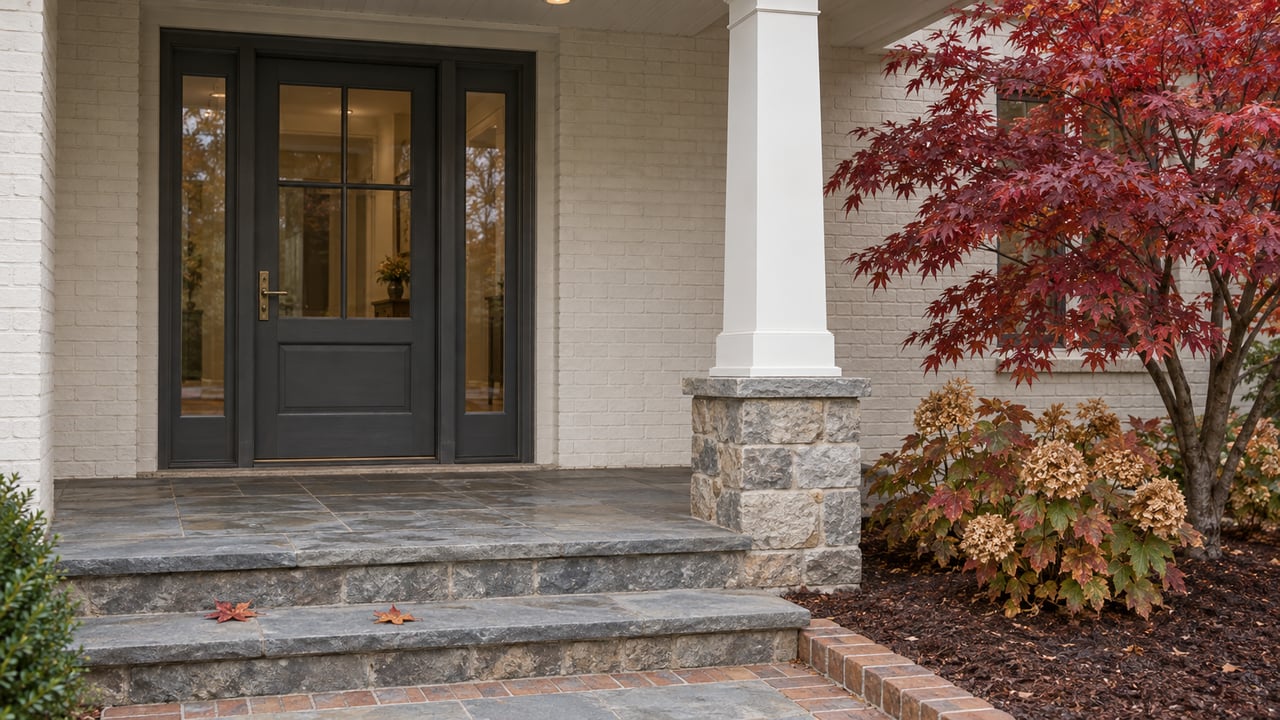
- Touch up or repaint the front door and shutters to signal care and attention from the moment a buyer pulls up.
- Remove excess furniture, personal items, and anything stored in visible areas, such as open shelving or glass-front cabinetry.
The Art of Depersonalization in High-End Homes
One of the most common mistakes sellers make is underestimating how much depersonalization matters at this price point. When your home is filled with personal photographs, heirlooms, trophies, or collections that reflect your life, buyers struggle to mentally move into the space. The goal is to create an environment that feels aspirational and livable rather than someone else's home.
This does not mean stripping the home down to a bare, sterile shell. In luxury real estate staging, depersonalization and sophistication go hand in hand. The art is in replacing the personal with the polished: swapping personal portraits for a curated gallery of abstract or landscape art, replacing countertop clutter with a single sculptural bowl or an arrangement of fresh greenery, and clearing the closets to no more than two-thirds capacity so that buyers see storage potential rather than overflow.
In Alpharetta's luxury real estate market, buyers often have highly developed tastes. Your staging should reflect that sensibility. Accessories should feel intentional rather than incidental, and every vignette — from the coffee table to the bath counter — should look like it belongs in a design publication.
Depersonalization Priorities by Room
- In the primary suite, remove all personal care products from countertops and replace them with a curated set of matching accessories or a single arrangement of fresh flowers.
- In the kitchen, clear the countertops completely except for one or two high-quality items, such as a premium coffee maker or a bowl of seasonal produce.
- In the home office or library, remove diplomas, personal awards, and memorabilia, replacing them with books, decorative objects, and quality lighting.
Furniture Placement and Scale in Luxury Spaces
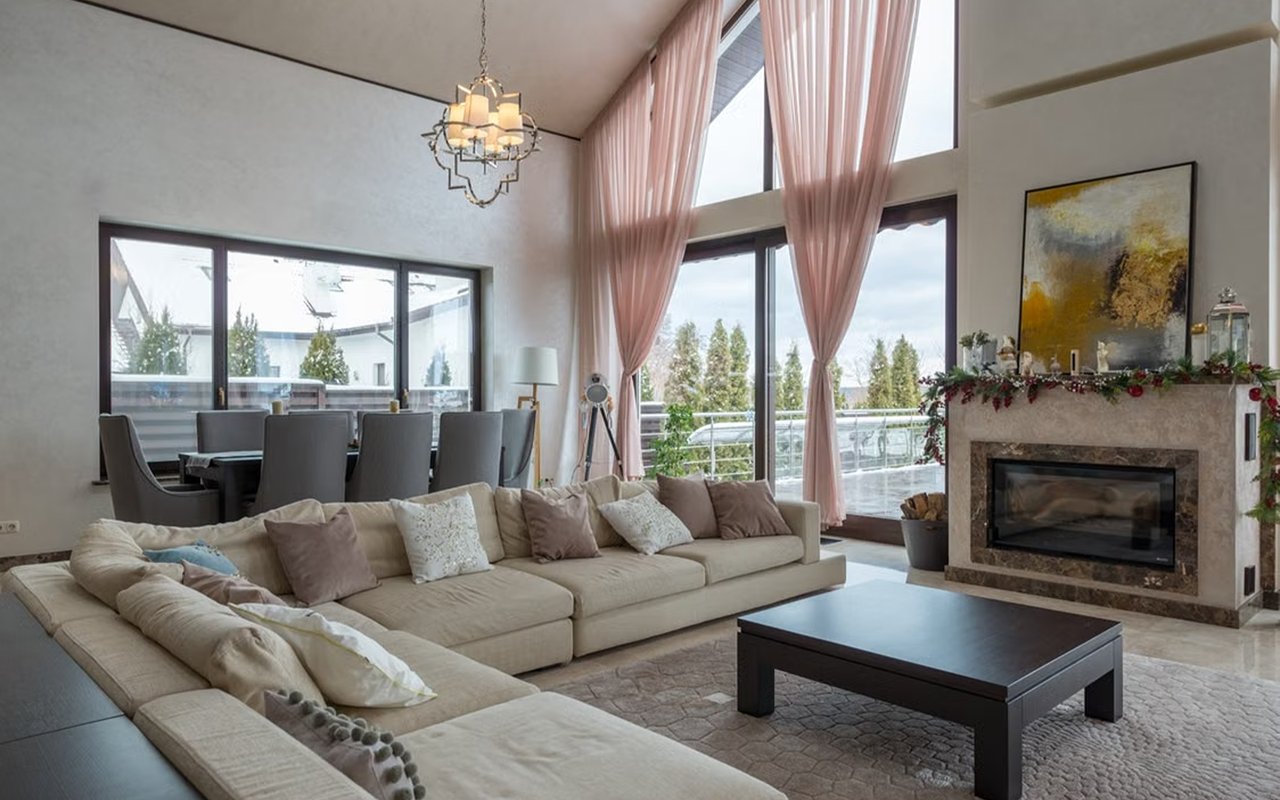
Alpharetta’s luxury homes often feature large, open floor plans with soaring ceilings and expansive square footage. This presents a specific staging challenge: oversized or poorly arranged furniture can make even a grand room feel cluttered, while too little furniture can leave a room feeling cold and undefined. Professional stagers understand how to work with scale, and it is worth the investment in a market where buyers are spending well into the seven-figure range.
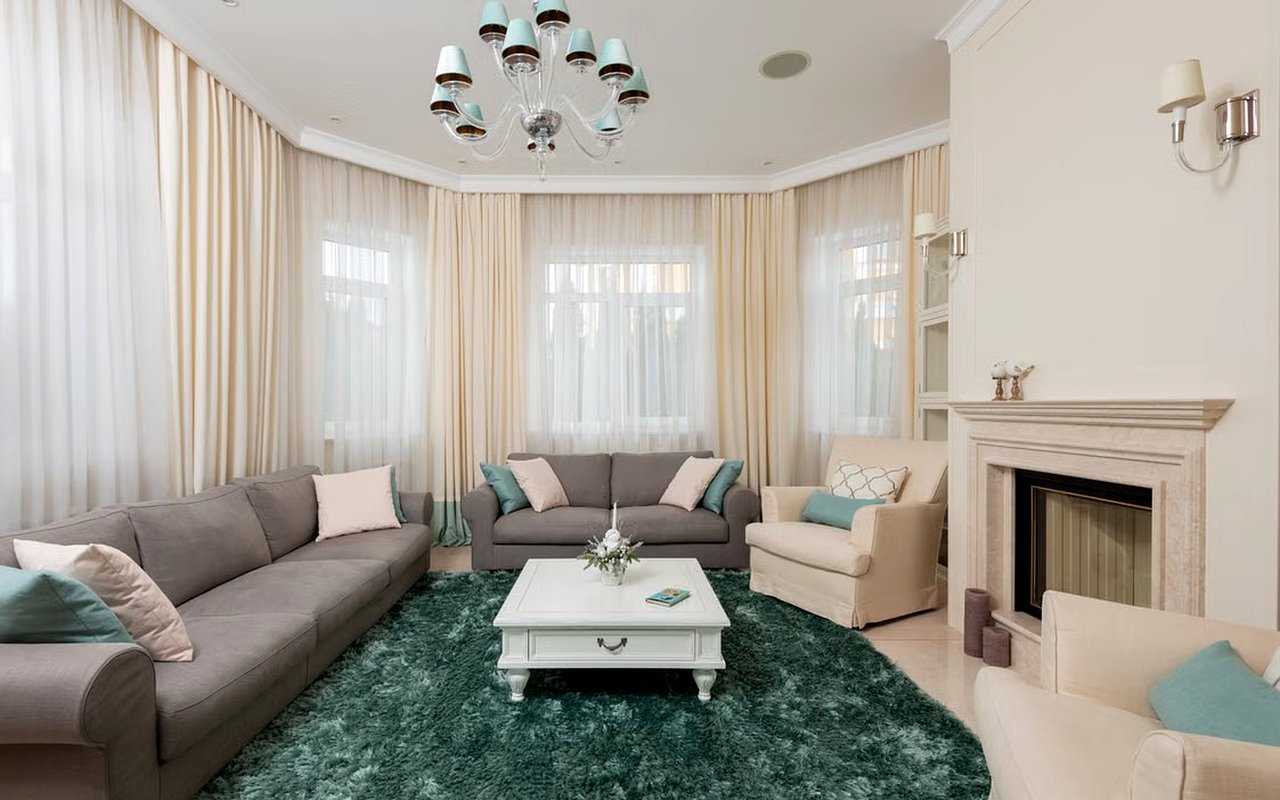
In great rooms and formal living areas, floating the furniture away from the walls creates conversation groupings that feel intentional and human-scaled. In dining rooms, the table size should reflect the room's proportions. A ten-person table in a room built for twelve can make the space feel tight, while a table that is too small will leave buyers wondering why the room feels off. These are the kinds of subtle signals that professional staging corrects before buyers ever notice the problem.
Pay particular attention to traffic flow. Buyers will walk through your home during showings, often more than once. If they have to navigate around furniture or feel like a room does not have a clear purpose, that hesitation registers as a negative impression of the space itself. Proper staging will ensure that each room has a clear entry point, logical furniture arrangement, and a defined sense of purpose.
Staging Priorities for Expansive Floor Plans
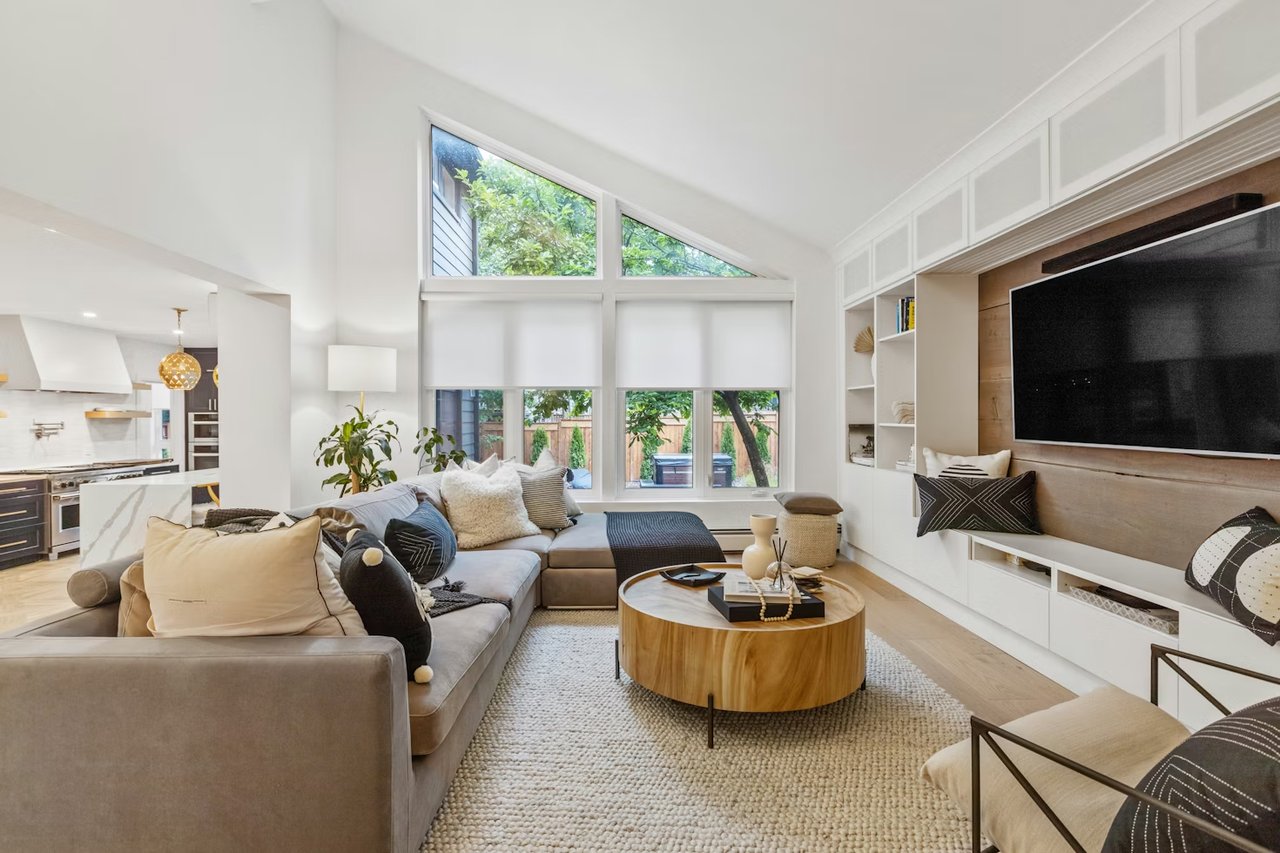
- Use area rugs to define distinct zones within open-plan spaces, such as a seating area, a reading nook, and a dining area within a great room.
- Choose furniture with clean lines and a neutral palette so that architectural details like coffered ceilings, millwork, and built-ins remain the focal point.
- Avoid mirroring furniture arrangements on both sides of a room, as symmetry works best when it is intentional and anchored by a feature, such as a fireplace.
- In rooms with floor-to-ceiling windows, avoid blocking sight lines with tall furniture pieces that compete with the view.
Lighting: The Most Underestimated Staging Tool
In luxury home staging, lighting is everything. In Alpharetta's competitive market, where buyers are often making initial judgments from a listing gallery or a luxury real estate portal, your lighting choices can be the difference between a showing and a scroll.
Layer your lighting across three levels: ambient, task, and accent. Ambient lighting sets the overall tone of a room; task lighting serves functional areas like kitchen islands, reading chairs, and home office desks; and accent lighting draws attention to architectural details, art, and focal features. If your home relies primarily on overhead recessed lighting, adding floor lamps, table lamps, and under-cabinet lighting will dramatically warm the atmosphere and make rooms feel more photogenic.
For daytime showings, maximize natural light by removing heavy window treatments, cleaning all glass surfaces inside and out, and trimming any overgrown landscaping that is blocking the windows. Georgia's abundant natural light is one of Alpharetta's best assets, and your staging should make the most of it rather than working against it.
Lighting Upgrades With the Highest Return
- Replace builder-grade dining room chandeliers with a statement fixture scaled appropriately for the room's ceiling height.
- Add dimmable table lamps to primary bedroom nightstands for a layered, boutique hotel effect.
- Install under-cabinet lighting in the kitchen, as it adds warmth and showcases countertop materials.
- Use warm-toned bulbs throughout the home, as cool fluorescent light ages a space and flattens the appearance of paint colors and finishes.
FAQs
Should I Stage My Home if It's Already Furnished?
Yes. Even beautifully furnished homes benefit from professional staging because staging is not about replacing your furniture — it is about optimizing how your home presents to buyers. A stager will edit, rearrange, and supplement what you already own to ensure that the home photographs well, flows logically, and appeals to the broadest possible segment of qualified buyers.
Do Outdoor Spaces Need To Be Staged in Alpharetta?
Absolutely. Alpharetta’s buyers place significant value on outdoor living, whether that means a covered veranda, a resort-style pool area, or a professionally landscaped backyard. Outdoor spaces should be staged with the same attention to detail as interior rooms, including furniture groupings, potted plants, and outdoor lighting.
How Far in Advance Should I Begin the Staging Process?
Ideally, begin your staging planning four to six weeks before your target listing date. This gives you enough time to address any repairs, make cosmetic upgrades, complete a thorough declutter, and work with a staging professional to prepare the home before photography is scheduled.
Your Alpharetta Sale Starts Here
Selling a luxury home in Alpharetta is a process that rewards proper preparation, and staging is one of the most powerful tools in your seller's toolkit. From the driveway to the back patio, every element of your home's presentation should communicate the same message: this is a property that has been cared for, and it is worth every dollar of the asking price.
When you work with our team at the Bonnie Smith Group, we will help you navigate every step of the pre-listing process, connecting you with trusted staging professionals and providing hands-on guidance tailored to Alpharetta's luxury market. We understand what buyers in this market are looking for, and we know how to position your home so that it stands out from the very first showing.